Editor, science writer, and research administrator.
News
August 15, 2025
Today was the last day of my contract supporting the marcomms department at Rice Engineering and Computing. Obligatory photo under the awesome psychedelic ceiling in Duncan Hall!
August 6, 2025
Watercolor and ink illustration by Veronica Tremblay for The Science Writer
June 29, 2025
Radiation from the Fukushima accident started appearing off the West Coast of North America in 2012. Art by Veronica Tremblay for The Science Writer, based on a photograph of the Seattle skyline by Jeffery Hayes (CC BY-SA 3.0)
December 8, 2024
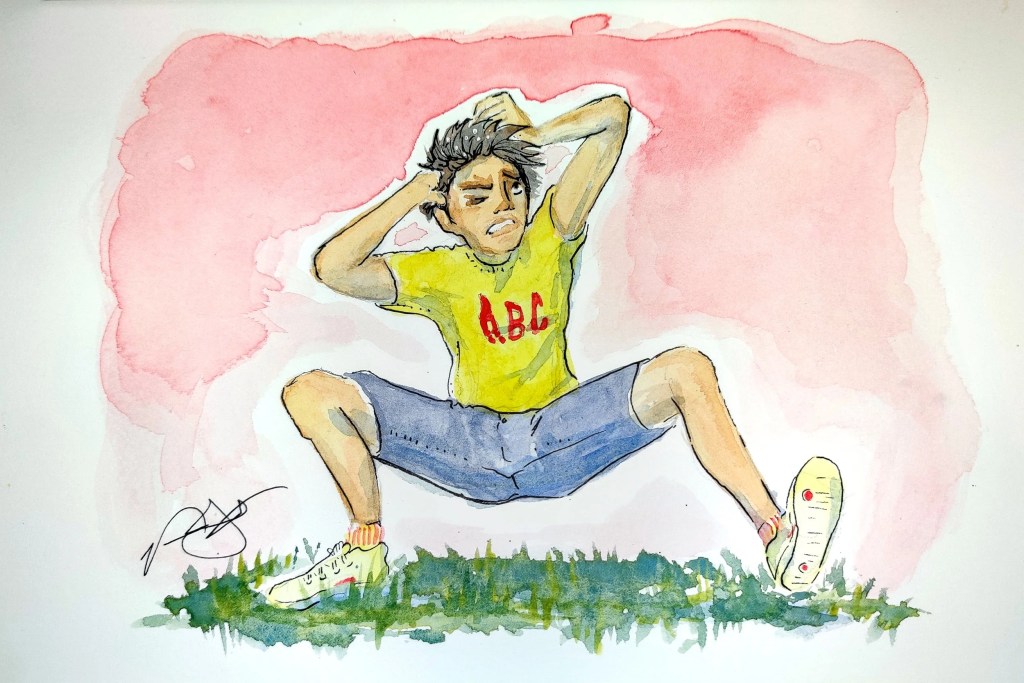
“Once we start thinking about them, lice infest our minds even more effectively than our hair follicles.” Image credit: Watercolor and ink by Veronica Tremblay for The Science Writer
December 8, 2024
Head lice, which are about the size and shape of a sesame seed, suck human blood but are not known to transmit any diseases. Image credit: Watercolor and ink by Veronica Tremblay for The Science Writer
November 9, 2024
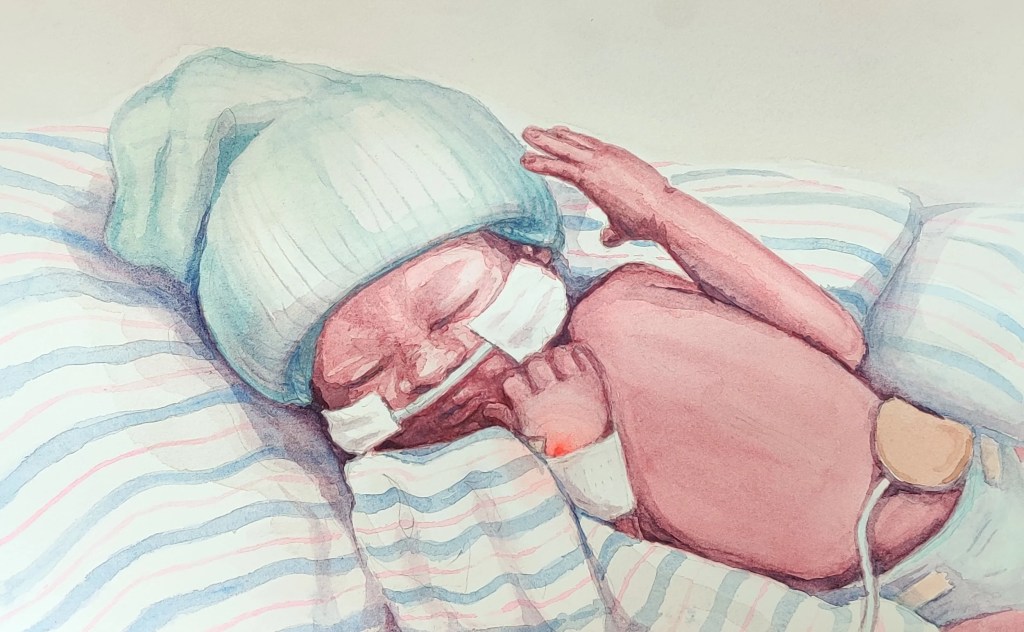
For parents, the physical separation from their baby can be one of the most distressing aspects of a NICU stay. Image credit: Watercolor by Veronica Tremblay for The Science Writer
May 1, 2024
The People’s CO2 cofounders Tanya Rogers, Slade Ham, and Rawand Rasheed spoke to me for this profile in Rice Engineering, the annual magazine of the George R. Brown School of Engineering at Rice University. They put powdered green stones in their paint to sequester CO2 straight out of the air!
January 30, 2024
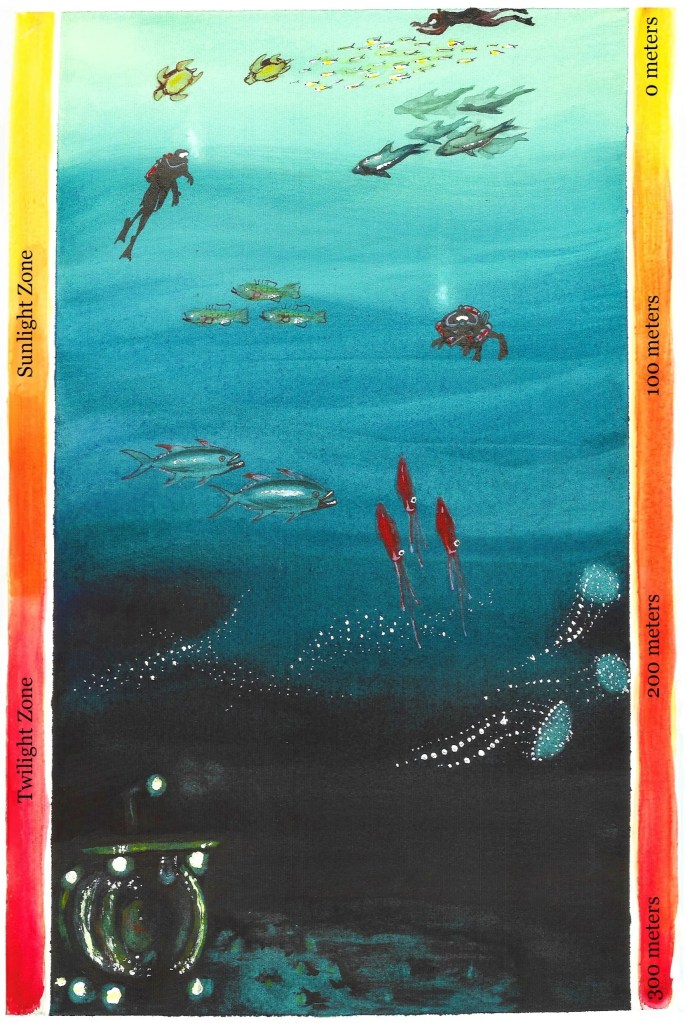
A watercolor rendering of a submersible in the darkened depths of the Mediterranean, approximately 300 meters down, surveying the sea floor. Image credit: Veronica Tremblay for The Science Writer
January 30, 2024
Little light reaches depths of 300 meters and pressures around 30 bars (435 psi). These extremes require plant and animal life on the sea floor to adapt in fascinating ways. Image credit: Veronica Tremblay for The Science Writer
September 17, 2022
As Inside Science goes offline, my article “Jeweled Orb-Web Spiders Mimic Flowers to Catch Pollinating Insects” (published on September 17, 2020) is no longer available. If you would like to read it, I still have a PDF of the original web publication and my original submitted text.
March 19, 2021
Here, there be dragons… I mean, gators. We are now settled in Houston, Texas!
September 8, 2020
So happy to finally see this hard work in print! Read about my travel to the Dja, Cameroon, with Johns Hopkins University and learn about risks to the Congo Basin Rainforest in the current issue of Travel Africa magazine. This issue can be purchased at https://travelafricamag.com/product/issue-90/
March 27, 2020
COVID-19 is causing changes to the way people live all around the world. We’ve been practicing our social distancing when we exercise outside — before curfew, of course, after which we have to be inside our home.
January 19, 2020
I made it back! Here is evidence of the trip: me on an insulberg — “rocher” in French — in the Dja Faunal Reserve in Cameroon. The rock is metamorphic schist with quartz. As we kept walking around the rocher, we spooked a family of forest buffalo grazing on the grass.
January 2, 2020
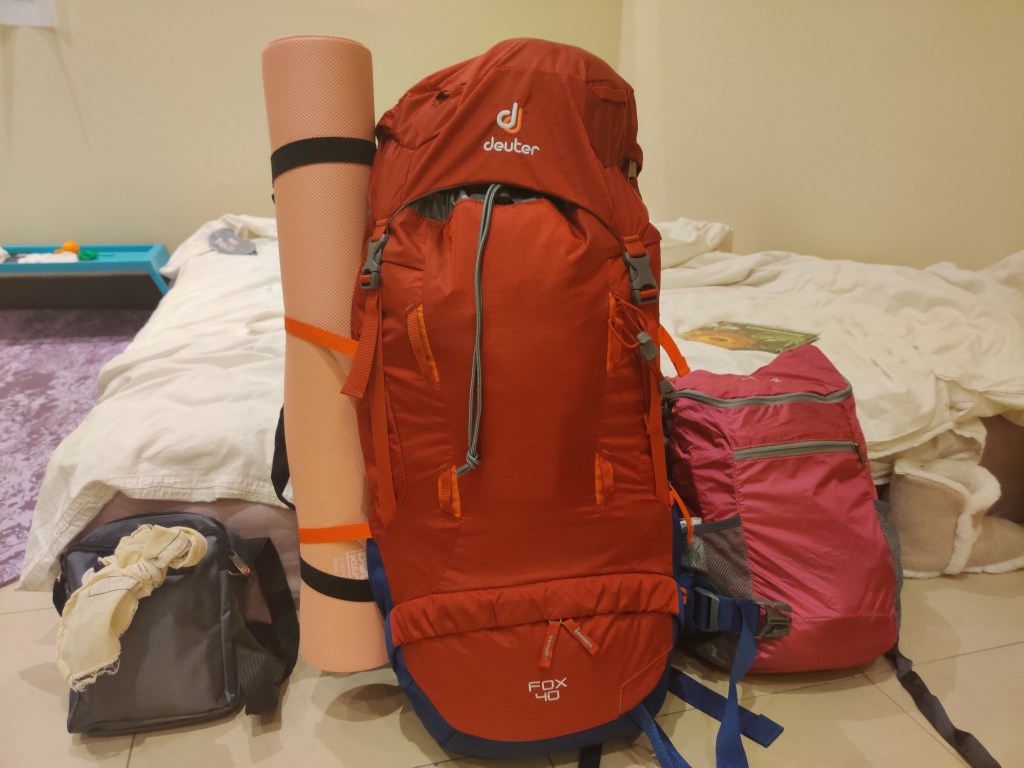
Waiting for my taxi to the airport. See you when I get back from Cameroon on January 19!
December 8, 2019
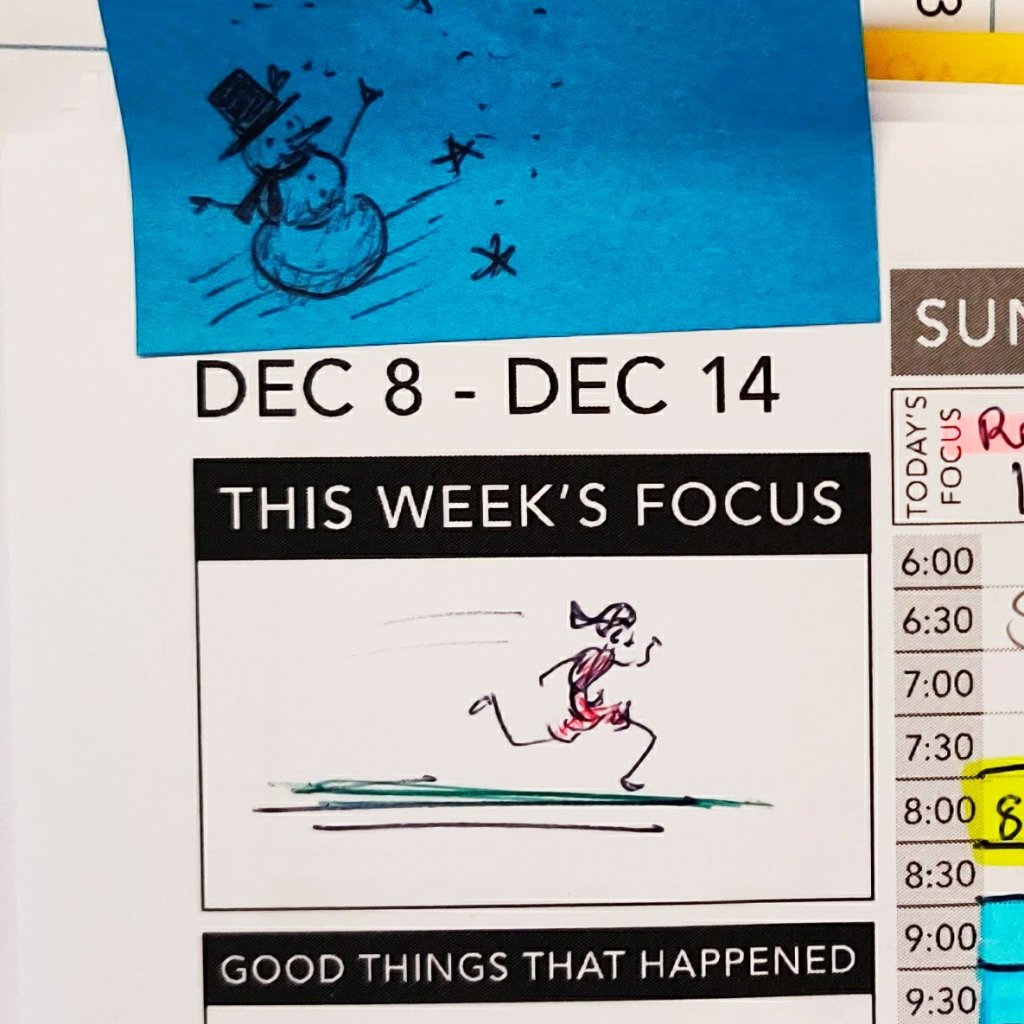
End of semester deadlines, US immigration interviews in Moscow, upcoming travel to Cameroon, and the winter holidays — OH MY! Sprinting to the finish line. Is it 2020 yet?
October 28, 2019
My local library was having a book giveaway. I found my Halloween week reading!
July 3, 2019
New article coming soon! Excerpt: Connections among the input data, processing functions, and output predictions make up the artificial neural network: the mathematical model by which the AI will make decisions.
January 9, 2018
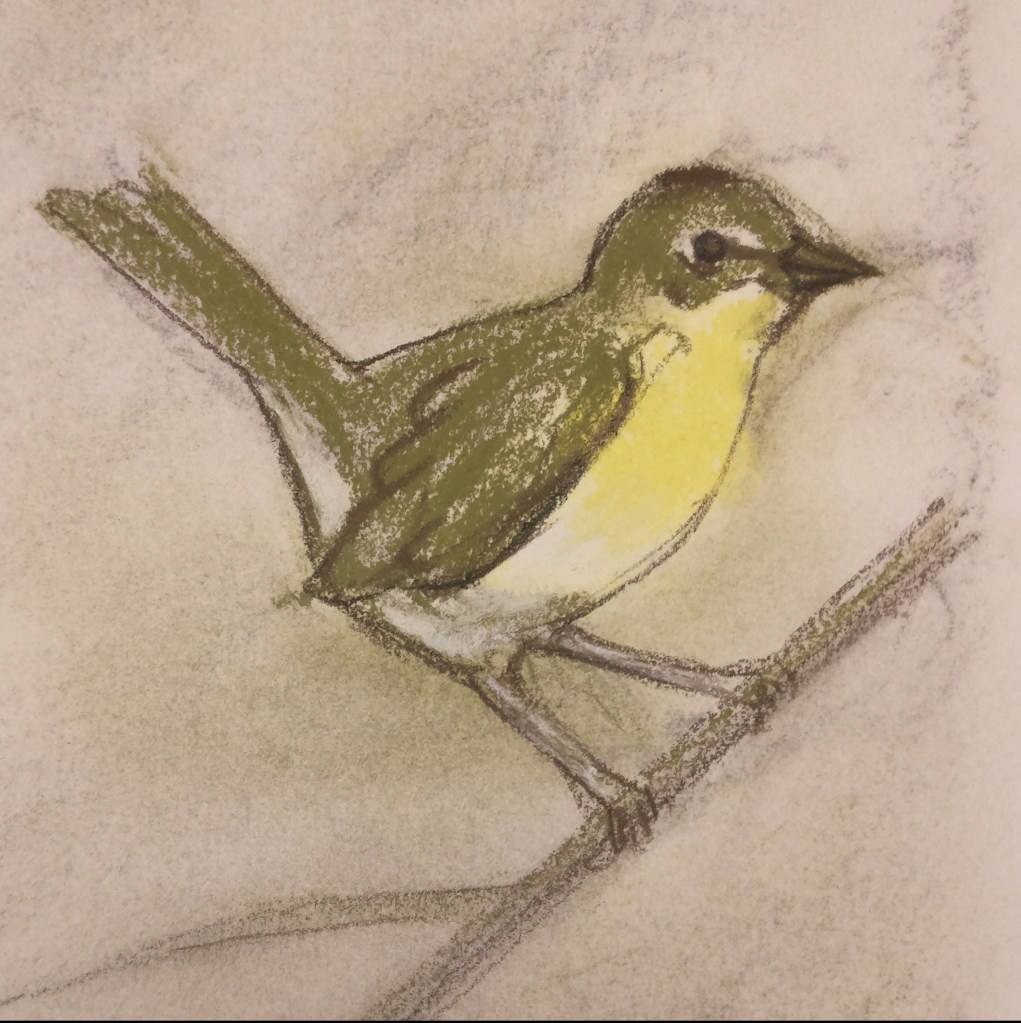
The Ruppell’s weaver is a cheerful yellow (male) or dark beige (female) bird. They build a woven nest that hangs from trees like a large Christmas ornament. We have a family of weavers that lives in our backyard here in Saudi Arabia.









 Veronica E. Tremblay